
You know what makes me envious? Really envious?
When my family gets together, and I look at the faces of the teenagers and college girls, I wonder, man, alive, did my skin look like THAT once upon a time?
No blemishes, no pimples, no wrinkles, no sags or bags, no discoloration. Their skin positively glows.
I wonder if these young women appreciate it? I probably didn’t.
Skin generally hangs in fairly well until …. Drumroll … menopause. Yes, that delightful pause in the menses also means a forever pause in estrogen production, which is what keeps skin plump and tight.
Sorry to be the bearer of bad news, but part and parcel of the monthly ‘curse,’ the rampant PMS, the inconvenience of menstrual cycles, and the bloating and headaches included vital benefits to the body. Such as?
When a woman is in her child-bearing years, she profits from a healthy dose of estrogen and progesterone, female hormones enabling her to get pregnant and stay pregnant. Some women never look better than when pregnant because their bodies, hair, and skin are infused with vast quantities of estrogen. As a result, they look positively radiant. These female hormones keep skin taut and youthful-looking, among other things.
When Estrogen Takes a Powder
Several organs in the body possess progesterone and estrogen receptors, including bones, skin, the uterine lining, breast tissue, and blood vessels, according to Jocelyn Craparo, M.D., at Bryn Mawr Hospital.
Estrogen helps keep bones strong by promoting calcium absorption. It also keeps skin elastic and healthy. It protects the heart by relaxing blood vessels in the organ and promoting optimal vaginal performance and urethral and bladder health.
When fully menopausal, which means a woman has not had a menstrual period in 365 days or one full year, her estrogen levels are very low, nearly depleted. This happens because her ovaries no longer produce the hormone. The body organs are therefore deprived of estrogen, which leads to a host of issues that were not present before menopause.
Skin Takes a Hit
A dearth of estrogen leads to wrinkles and dry skin, bone loss, hot flashes, and potentially to a heart attack, as well as to bladder infections, loss of libido, and vaginal dryness. So now you’re re-thinking the joys of no longer menstruating. Well, you can’t go back, and most of you don’t want to; nevertheless, you are not happy with the change in your skin or the alterations to your body that have occurred since your menses ceased.
What to do?
Your mother, if still alive, will probably advise you to undergo hormone therapy treatment (HRT) as she did for years and years. HRT used to be the prevailing treatment for menopausal women. It helped control hot flashes, kept skin looking relatively youthful, and was believed to ward off dementia and heart disease.
Subsequent studies showed otherwise, and women stopped taking female hormones in droves because they feared continuing the therapy, based on research results that sent up a red flag. They worried about getting breast cancer, which may or may not be the case.
On the other hand, hormone therapy is still considered a wise choice for certain women, based on their risk factors, according to The Mayo Clinic. Hormone replacement therapy is neither all good nor all bad. Ask your doctor to hook you up with a certified menopause expert or visit The Menopause Society site.
You Have Options
There is a difference between taking systemic hormone therapy versus low-dose vaginal preparations containing estrogen. Systemic estrogen therapy is still the more efficacious means of treating night sweats and hot flashes.
This therapy is delivered via skin patches, pills, creams, gels, or a spray. And, yes, estrogen does prevent bone loss (osteoporosis), but the preferred treatment for this condition is currently the use of a medicine called bisphosphonates. After considering all potential risks, if a woman opts to take hormone therapy, she most likely will be prescribed estrogen and progesterone or progestin, which is a progesterone-like medicine.
The reason progesterone is compulsory is that it balances estrogen and prevents it from prompting uterine lining growth, which can lead to uterine cancer. If a woman has had a hysterectomy, progesterone is not needed.
Menopausal Skin
Hormones have always influenced your skin. When you were going through puberty, and perhaps for years afterward, a profusion of female hormones may have prompted a bad case of acne.
When menopausal, you may discover your skin has become thinner and droopier, and you may even have to battle acne once again. A menopausal woman may have an outpouring of the male hormone testosterone, which is responsible for acne. The loss of estrogen prompts skin thinning, leading to lines and wrinkles. Your hair and nails may take a hit, too. Nails become brittle, and hair becomes sparse and lifeless. This means you are going to have to work extra hard to counteract the effects of testosterone and the lack of estrogen.
Diet
You are what you eat. Yeah, yeah, so you’ve heard, but it’s true, especially for the menopausal female.
Eat fresh fruits and vegetables daily because they’re high in minerals and vitamins. You need healthy fats and lean protein. Take a multi-vitamin. Avoid salt. Drink vast amounts of water because it flushes out the bad stuff in your system, leading to vibrant skin.
Taking Care of Your Skin
Always use sunscreen and moisturize, moisturize, moisturize. Some women experience significant results when using skin products containing Retinol, a form of vitamin A.
Put more effort into your skin care regimen. Wash your face morning and night, and, a couple of times each week, exfoliate your skin to remove dead skin cells and dry skin, as well as to hasten collagen production and put oxygen back into the skin.
Ready to Rumble?
You may not want to hear this, but regular exercise is vital because it increases circulation, moving oxygen to your tissues, including your skin. The more oxygen in your skin and other body organs, the better you are going to look and feel. Get up and move a lot.
Before you head to a plastic surgeon for a complete overhaul, try these tips: invest in good skincare and cosmetics, and do your darnedest to smile. It’s amazing what a good attitude can do for a face, even or especially a face that has been around for six or seven decades or even longer.
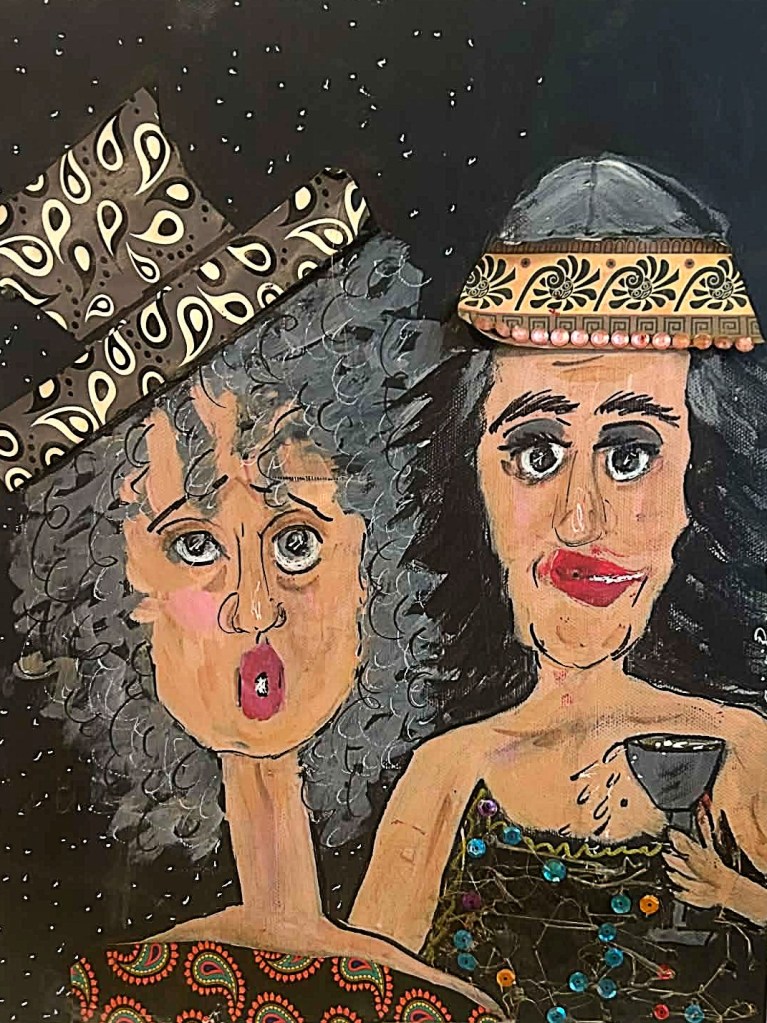


 “What are your plans for this evening?”


